
Top Waterproofing Products Every Homeowner Should Consider
Explore essential waterproofing solutions designed to protect your property from moisture and water damage effectively.
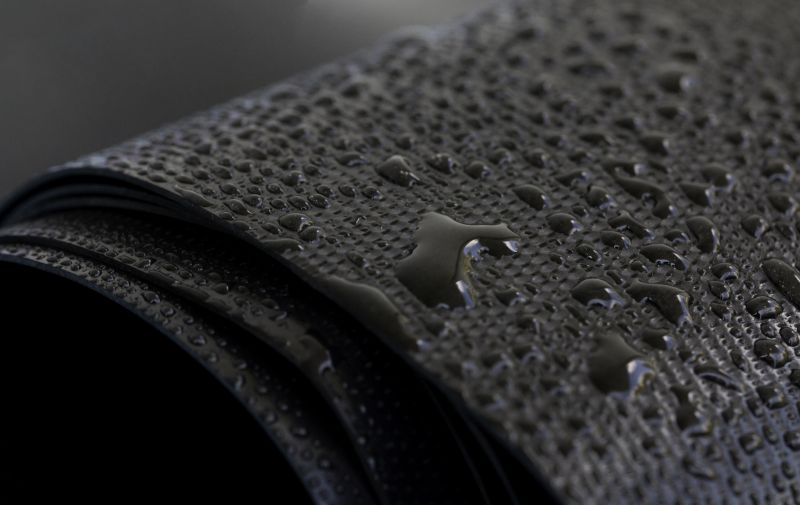 Waterproofing products are essential solutions for protecting structures from water intrusion, whether in residential, commercial, or industrial settings. They help prevent water damage, mold growth, and structural deterioration by creating barriers that repel moisture. These products come in various forms, including liquid coatings, membranes, sealants, and tapes, each suited to different applications and surfaces. Proper selection and application of waterproofing materials can extend the lifespan of buildings and safeguard valuable assets.
Top Overall Option
Liquid Waterproofing Membrane
A versatile liquid membrane offers seamless, flexible, and durable protection against water infiltration. It can be applied to various surfaces such as foundations, roofs, and walls, providing a continuous barrier that adapts to surface contours. Easy to apply with brushes, rollers, or sprayers, this product is favored for its ability to create a uniform waterproof layer that resists cracking and weathering over time.
Types of Products For Waterproofings
Liquid Waterproofing Membranes
Fluid coatings that form seamless barriers on surfaces, ideal for roofs and foundations.
Bituminous Coatings
Asphalt-based coatings suitable for below-grade waterproofing and roofing applications.
Polyurethane Sealants
Flexible sealants used to fill joints and cracks, providing water-tight seals.
Cementitious Waterproof Coatings
Ready-mixed cement-based coatings for basement walls and concrete surfaces.
Rubberized Coatings
Elastic coatings that expand and contract with temperature changes, suitable for roofs and gutters.
Waterproof Tapes
Self-adhesive tapes for patching leaks and sealing joints in various surfaces.
Sheet Membranes
Pre-formed waterproof sheets used for foundation and roofing applications.
Bitumen Sheets
Heavy-duty waterproofing sheets often used in roofing and below-grade applications.
Acrylic Waterproof Coatings
Water-based coatings suitable for exterior wall protection and roof surfaces.
Polyurea Coatings
Rapid-curing, high-performance coatings for waterproofing and protective linings.
Crystalline Waterproofing
Chemical treatments that penetrate concrete to create a waterproof barrier from within.
Waterproofing Paints
Paints infused with waterproofing agents for surface protection and sealing.
Hydrophobic Sprays
Sprays that impart water-repellent properties to surfaces like stone and concrete.
Sealant Gels
Thick gels used to seal large cracks and joints effectively against water ingress.
Underlayment Membranes
Protective layers installed beneath flooring or roofing to prevent moisture penetration.
Drainage Mats
Materials designed to direct water away from foundations and basement walls.
Popular Choices
Widely used for their seamless application and adaptability across various surfaces.
Commonly selected for their durability and effective moisture barriers in roofing.
Popular for sealing joints and cracks due to their flexibility and strong adhesion.
Favored for basement and concrete surface waterproofing because of ease of application.
Chosen for their elasticity and weather resistance, suitable for roofs and gutters.
Convenient for quick repairs and sealing small leaks in various materials.
Pre-formed options that are easy to install for foundation and roofing waterproofing.
Heavy-duty sheets that provide reliable moisture barriers in demanding environments.
Popular for exterior wall protection due to their weather-resistant properties.
High-performance coatings appreciated for rapid curing and durability.
Effective for internal concrete waterproofing, especially in basements.
Often used for surface sealing and finishing exterior walls and structures.
Increasingly popular for surface treatment to repel water on stone and concrete.
Useful for sealing large cracks and joints in various building surfaces.
Commonly used beneath flooring and roofing for added moisture protection.
Selected for directing water away from foundations and basement walls effectively.
In Menomonee Falls, WI, where seasonal weather fluctuations can lead to increased moisture challenges, choosing the right waterproofing solutions is particularly important. From foundational basement waterproofing to roof sealing and exterior wall protection, there are options tailored to meet diverse needs. The effectiveness of a waterproofing product depends on factors such as surface compatibility, durability, ease of application, and resistance to weathering.
When considering waterproofing products, it is crucial to evaluate the specific area requiring protection, the type of surface, and the level of water exposure. For example, basement waterproofing might involve heavy-duty sealants and membranes designed to withstand hydrostatic pressure, while roofing applications may require flexible, weather-resistant coatings. Proper surface preparation and application techniques are vital to ensure optimal performance and longevity of the waterproofing system.
Investing in the right waterproofing products can help mitigate water-related issues and maintain the integrity of structures over time. Consulting with local experts in Menomonee Falls, WI, can provide insights into the most suitable options for specific projects. Whether for new construction or renovation, selecting quality waterproofing materials is a key step toward effective moisture management and structural preservation.
Key Buying Considerations
- Identify the specific area or surface requiring waterproofing to select an appropriate product type.
- Consider the level of water exposure, such as continuous contact, occasional leaks, or high hydrostatic pressure.
- Evaluate the compatibility of the product with the surface material, whether concrete, wood, or metal.
- Check for ease of application, including tools required and surface preparation needs.
- Assess the durability and weather resistance of the product, especially for outdoor applications.
- Review the flexibility of the waterproofing material to accommodate structural movement or temperature fluctuations.
- Determine whether a liquid, sheet, or sealant form best suits your project scope and size.
- Consider the drying or curing time to align with project timelines.
- Look into the product’s resistance to UV rays, chemicals, and other environmental factors.
- Ensure the product is suitable for the specific application, such as below-grade, roof, or exterior wall waterproofing.
- Verify compatibility with existing materials if retrofitting or repairing an existing waterproofing system.
- Evaluate the need for additional accessories like primers, tapes, or sealants for complete application.
- Check for manufacturer instructions and recommended maintenance or reapplication intervals.
- Consider local climate conditions in Menomonee Falls, WI, which may influence product selection.
- Review safety data sheets and handling instructions to ensure safe application and use.